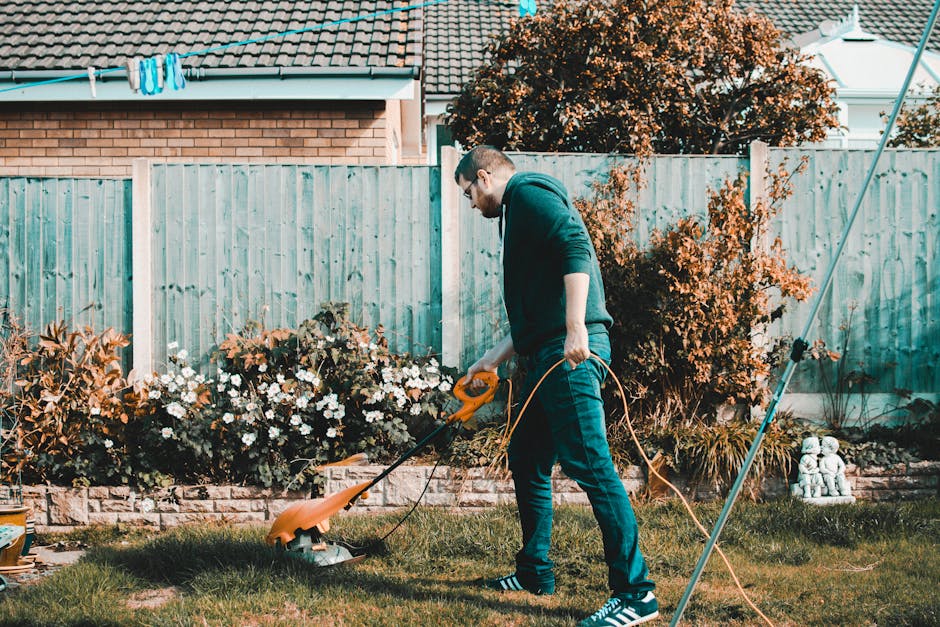
Thamesmead Gardeners Small Yard Solutions Near Crossness
If you live near Crossness and your outdoor space feels more like a narrow pocket than a proper garden, you are not alone. Many Thamesmead homes have compact yards, awkward corners, overlooked side returns, or patios that need a bit of imagination before they start feeling useful. That is exactly where Thamesmead gardeners small yard solutions near Crossness can make a real difference.
The trick is not trying to cram a big-garden idea into a small space. It is about designing for the space you actually have: light levels, drainage, privacy, storage, planting, and how you want to use the yard day to day. A well-planned small yard can feel brighter, calmer, and surprisingly roomy. And honestly, once the clutter and patchy planting are sorted, the whole place can feel like it breathes again.
In this guide, you will find practical ways to transform a compact Thamesmead yard, what works best around the Crossness area, common mistakes to avoid, and how to choose the right approach for your home. If you are comparing services or planning a refresh, a useful place to start is our broader gardeners in Thamesmead page, plus related support such as gardening services in Thamesmead and lawn care in Thamesmead.
Table of Contents
- Why Thamesmead gardeners small yard solutions near Crossness Matters
- How Thamesmead gardeners small yard solutions near Crossness Works
- Key Benefits and Practical Advantages
- Who This Is For and When It Makes Sense
- Step-by-Step Guidance
- Expert Tips for Better Results
- Common Mistakes to Avoid
- Tools, Resources and Recommendations
- Law, Compliance, Standards, or Best Practice
- Options, Methods, or Comparison Table
- Case Study or Real-World Example
- Practical Checklist
- Conclusion
- Frequently Asked Questions
Why Thamesmead gardeners small yard solutions near Crossness Matters
Small yards are easy to underestimate. They can look simple at first glance, but the truth is they often carry the same design problems as a much larger garden, just compressed into a tighter footprint. Around Thamesmead and Crossness, that usually means limited sunlight, hard surfaces that get slippery, wind exposure in open plots, and a real need to make every square metre work harder.
This matters because a small yard is rarely just a decorative space. For many people it has to do several jobs at once. It may need to be a place for morning coffee, children's play, container herbs, bin storage, drying clothes, or just a quiet corner after work. When the layout is wrong, the space feels cramped and unused. When it is planned well, it can become one of the most valuable parts of the home.
Local conditions also shape the result. Thamesmead properties often sit in exposed, functional environments where a soft, thoughtful planting scheme can bring warmth and balance. Near Crossness, you may be working with a yard that gets shaded by fencing or nearby structures, or one that has an awkwardly shaped slabbed area that never quite felt like a garden. Small-yard work is about solving those exact issues, not pretending they do not exist.
If you are trying to understand what a fuller garden plan might involve, our garden design in Thamesmead service page is useful for the bigger-picture approach. For yard-specific upkeep after the redesign, hedge cutting in Thamesmead and tree surgery in Thamesmead can also be relevant where overgrowth or shade is part of the problem.
A small yard does not need more stuff. It needs clearer choices, better proportions, and a bit of discipline. That is where the real transformation happens.
How Thamesmead gardeners small yard solutions near Crossness Works
Good small-yard work usually starts with observation, not tools. A gardener will look at how the space behaves across the day: where the light falls in the morning, where water pools after rain, which corners stay damp, which walls are warm, and which areas feel awkward to walk through. That first assessment often tells you more than a shopping list ever could.
From there, the work typically falls into a few practical stages:
- Space assessment: measuring usable area, access points, and the position of doors, drains, and existing features.
- Problem solving: dealing with poor soil, drainage issues, mossy paving, or planting that simply never settled in.
- Layout planning: deciding where movement, seating, storage, and planting will sit without crowding the yard.
- Material selection: choosing finishes that suit a small footprint, such as lighter paving, compact planters, or vertical structures.
- Planting design: using structure, texture, and seasonality to create interest without clutter.
- Maintenance planning: making sure the design is realistic for the amount of time you actually want to spend on it.
In practice, small-yard solutions are often a mix of tidy hard landscaping and carefully edited planting. Not always, but often. You might use raised beds to give definition, install a simple seating area, and then add a few robust plants that soften hard edges. A space like this can feel polished without becoming fussy. And that matters because fussy gardens tend to become neglected gardens, which is nobody's idea of a good time.
For ongoing upkeep, a lot of homeowners prefer a simple seasonal plan rather than a complicated one-off overhaul. If that sounds like you, it can help to review the options for garden maintenance in Thamesmead alongside any redesign work. Keeping the space manageable is half the battle.
Key Benefits and Practical Advantages
The best small-yard solution is one that improves everyday life, not just appearances. Yes, it should look better. But it should also feel easier to live with.
| Benefit | What it means in a small Thamesmead yard | Practical result |
|---|---|---|
| Better space use | Every corner has a purpose instead of becoming dead space | More room to walk, sit, and store items neatly |
| Improved light feel | Lighter surfaces and better planting balance the space | The yard feels less boxed in |
| Easier maintenance | Plants and materials are chosen to suit the available time | Less stress, fewer messy weekend jobs |
| Better drainage and cleanliness | Water run-off and surface conditions are addressed | Less mud, algae, and standing water |
| More privacy | Screening, trellis, and planting help soften overlooked spaces | A calmer, more private outdoor area |
There is also a less obvious benefit: confidence. Once a compact yard is organised well, people tend to use it more. A quick cup of tea outside in the evening. A couple of pots of herbs by the door. A small bench that actually gets sat on. It sounds simple, but those little habits change how the home feels.
If you are comparing broader outdoor services, our grass cutting in Thamesmead and weed control in Thamesmead pages may help if the yard also needs regular tidy-up support before or after a redesign.
Who This Is For and When It Makes Sense
Small-yard solutions are a good fit for people who want the garden to feel useful rather than merely present. That includes homeowners, landlords, renters with permission to improve a courtyard, and families who need a safer, tidier outdoor area with less maintenance.
You will probably benefit from this approach if any of the following sound familiar:
- Your yard feels cluttered, dark, or difficult to walk through.
- You have patches of concrete, paving, or bare soil that never seem to look quite right.
- You want more privacy from neighbouring windows or shared access paths.
- You need space for bins, bikes, tools, or children's items without everything being on show.
- You would like a place for planting, but you do not want high-maintenance borders.
- You have a small budget and want to improve the space in sensible stages.
It is also a smart choice if your yard gets overgrown quickly. A compact space can go from tidy to chaotic in no time. One windy week, a bit of moss, a few weeds, and suddenly it looks neglected. Not dramatic, just the way these spaces behave. That is why many people near Crossness choose a design that makes maintenance easier from day one.
For people focused on the outdoor edges of the home, pressure washing in Thamesmead can also be part of the picture if paving, steps, or a patio needs a clean reset before planting or layout changes.
Step-by-Step Guidance
Here is a practical way to approach a small-yard project without overcomplicating it.
- Start with a clear purpose. Decide what matters most: seating, planting, storage, play space, or low-maintenance simplicity. A yard that tries to do everything usually ends up doing nothing well.
- Measure properly. Note the usable width, depth, awkward corners, access routes, and anything fixed such as drain covers, steps, or services.
- Look at light and water. Spend a day watching where the sun lands and where shade lingers. After rain, check where water sits. These two things guide most decisions.
- Clear out the unnecessary. Old pots, broken edging, tired furniture, and mismatched containers create visual noise. Removing them often makes the space feel bigger immediately.
- Choose a simple layout. In small yards, straight lines and clean zones often work better than overly curved designs. That said, one gentle soft edge can help if the space feels too rigid.
- Build structure first. Think screening, paving, raised beds, trellis, or a compact seating area before you fill everything with plants.
- Add planting in layers. Use a mix of evergreen structure, seasonal colour, and lower planting. Container groups can work brilliantly here, especially if you want flexibility.
- Finish with easy-care details. Mulch, edging, irrigation, lighting, or tidy storage solutions can make the space much easier to live with.
A useful rule of thumb: if a feature does not earn its place visually or practically, it probably does not belong. Harsh? Maybe a little. Helpful? Definitely.
If the yard includes hedging, borders, or a few trees that are causing shade and spread issues, it can be worth looking at bush trimming in Thamesmead or the more specific tree planting in Thamesmead page if you are planning long-term structure rather than just tidying up.
Expert Tips for Better Results
Small spaces reward discipline. That is the quiet truth of it. A few good decisions will usually outperform a lot of decorative extras.
1. Use vertical space carefully
Trellis, wall planters, and climbing plants can make a yard feel taller and softer. The key is moderation. Too much vertical clutter can make a narrow yard feel even tighter. One clean feature wall often works better than five competing ideas.
2. Choose a restrained material palette
Two or three main materials are usually enough. For example, one paving type, one timber tone, and one planting style. That visual consistency helps the space feel calm. In a compact yard, calm is doing a lot of heavy lifting.
3. Prioritise lines of sight
If your eye can travel cleanly from the door to the far end of the yard, the space will often feel larger. Try not to block the view with chunky furniture or oversized pots.
4. Keep planting realistic
Choose plants that suit the site rather than the mood board. It sounds obvious, but people do it all the time. A sun-loving plant in a shaded Thamesmead yard will not thank you for your optimism. Neither will your wallet.
5. Plan for the first five minutes outside
What happens when you step into the yard with a cup of tea? If the answer is "I have to move three things first," the design still needs work. The best small yards are effortless to use.
For longer-term upkeep, you can combine design improvements with regular care through leaf clearing in Thamesmead and seasonal tidy work. Small yards can look neat quickly when the basics are kept under control.
Common Mistakes to Avoid
Plenty of small-yard projects go wrong for predictable reasons. The good news is that most of them are easy to avoid once you know what to look for.
- Overfilling the space: Too many pots, ornaments, or separate zones can make a small yard feel crowded very fast.
- Using dark, heavy finishes everywhere: Dark surfaces can work in small doses, but too much can make the yard feel boxed in.
- Ignoring drainage: A lovely design will still feel bad if water sits on the surface after every decent shower.
- Choosing high-maintenance planting: A small garden should not become a weekly rescue mission.
- Forgetting storage: Tools, bins, hose reels, and children's items need somewhere to live, even in tiny yards.
- Not planning for privacy: An overlooked yard can look tidy and still feel uncomfortable to use.
There is another one people rarely talk about: starting the project without a maintenance plan. A yard can look lovely on day one and then drift. If you want it to stay good, the aftercare needs to be part of the design. Otherwise, well, you know how it goes.
Tools, Resources and Recommendations
You do not need every gadget under the sun to improve a compact yard. In fact, simpler is usually better. But the right tools and resources make the job cleaner and quicker.
Useful tools for small-yard work
- Measuring tape for layout and plant spacing
- Spade, fork, and hand trowel for basic planting prep
- Secateurs for pruning and deadheading
- Wheelbarrow or rubble sacks for clear-outs
- Level for checking paving or edging
- Pressure washer for suitable hard surfaces, used carefully
- Heavy-duty gloves for clearing and rough materials
Design resources worth thinking about
For a compact yard, the best "resource" is often a sensible plan. A sketch on paper can be more useful than a dozen rushed purchases. Mark the door, the sunniest patch, the damp corner, and the area you want to feel most inviting. That alone can stop costly mistakes.
If you are considering more than a light refresh, a deeper service like garden clearance in Thamesmead may help reset the space properly before any new layout or planting is introduced. For final tidy-up and presentation, end of tenancy gardening in Thamesmead can be relevant for landlords or tenants preparing a property for handover.
Law, Compliance, Standards, or Best Practice
For most small-yard projects, the main concern is not formal regulation, but careful practice. That said, there are a few points worth handling sensibly.
If work involves shared boundaries, fences, drainage points, or access areas, it is sensible to confirm ownership and avoid making changes that could affect a neighbour's property. In rented homes, check permission before altering permanent features. If you are planning significant hard landscaping, drainage changes, or tree work, a professional assessment is wise because local site conditions matter a lot.
UK best practice for garden work also leans toward safe handling of tools, responsible waste removal, and selecting plants or materials that suit the site rather than forcing a fashionable look onto an awkward plot. Simple, really. Good garden work should be tidy, considerate, and built to last.
If overgrown trees or hedges are affecting light, safety, or access, those issues should be addressed carefully. A local gardener will usually judge whether trimming, reshaping, or removal-related work is appropriate, and when specialist input may be needed. No drama, just caution where it counts.
Options, Methods, or Comparison Table
Different small-yard approaches suit different homes. Here is a straightforward comparison to help you think it through.
| Method | Best for | Pros | Watch-outs |
|---|---|---|---|
| Simple tidy-up and planting refresh | Yards that are structurally fine but look tired | Quick, affordable, low disruption | Won't fix deeper layout or drainage issues |
| Container-led design | Very small patios or rental spaces | Flexible, easy to adjust, great for colour | Needs regular watering and occasional re-potting |
| Raised beds and screening | Overlooked yards needing structure and privacy | Defines the area, improves height and planting range | Can reduce walking space if overused |
| Full redesign | Yards with poor layout, tired surfaces, or drainage problems | Most complete improvement | More planning, more cost, more disruption |
The right option depends on your budget, the condition of the yard, and how long you plan to stay in the property. If you are not sure, a phased approach often works best: sort the structure first, then improve planting, then refine the details. A bit at a time. Nothing wrong with that.
Case Study or Real-World Example
Consider a typical Thamesmead yard near Crossness: a narrow rear space with old paving, a few tired pots, one shaded side, and not much privacy. It looked serviceable enough, but not somewhere anyone would choose to sit. The owner wanted something simple, not grand. Just better.
The solution was practical rather than flashy. First, the clutter was cleared. Then the paving was cleaned and the layout was simplified so the eye could move more easily through the space. A small raised bed was added at the far end to create a focal point, and a couple of vertical elements were introduced for privacy without blocking too much light. Planting was kept modest: tough evergreen structure, a few seasonal highlights, and containers near the door for easy colour.
The biggest change was not the planting, to be fair. It was the feeling of order. The yard stopped looking like an afterthought and started feeling like part of the home. The owner could step outside without dodging obstacles, and maintenance became a manageable routine rather than an ongoing project.
That is the kind of result many people want from local small-yard work. Not perfection. Just a garden that behaves itself and gives a bit back.
Practical Checklist
Use this checklist before starting any small-yard project near Crossness.
- Define the main purpose of the yard.
- Measure the space carefully.
- Note sun, shade, and wind exposure.
- Check for drainage problems after rain.
- Decide what should stay, go, or be replaced.
- Choose a simple, realistic layout.
- Prioritise structure before decorative items.
- Select plants that match the light and maintenance level.
- Make room for storage and easy access.
- Plan for ongoing care, not just the initial makeover.
If you can tick most of those boxes, you are already ahead of the game. Seriously. A good plan saves time, money, and a lot of second-guessing later on.
Conclusion
Small yards in Thamesmead, especially near Crossness, do not need to feel limiting. With the right approach, they can become calm, practical, attractive spaces that suit everyday life instead of fighting against it. The best solutions are usually the ones that make the space simpler, lighter, and easier to maintain.
Whether you want a clean-up, a thoughtful refresh, or a more complete redesign, start with what the yard actually needs and not what a bigger garden might have done. That mindset saves plenty of frustration. It also leads to better results, because a small space rewards clarity. Always has.
If you are ready to move from ideas to action, a local gardener can help you shape a plan that fits your yard, your time, and your budget. And if you would like to explore the wider range of support available in the area, our Thamesmead service pages are a sensible place to continue.
Get a free quote today and see how much you can save.
In the end, the nicest small gardens are often the ones that feel easy the moment you step into them. Quiet, useful, and just right for the space they have.
Frequently Asked Questions
What are the best small yard solutions for Thamesmead homes near Crossness?
The best solutions usually combine simple layout changes, space-saving planting, better drainage, and a low-maintenance finish. In compact Thamesmead yards, structure matters as much as planting.
How do gardeners make a small yard look bigger?
They use cleaner lines, lighter surfaces, vertical planting, clear sightlines, and fewer visual distractions. A small yard often feels larger when it is edited rather than filled.
Is a small yard worth redesigning if I only use it occasionally?
Yes, especially if it currently feels cluttered or hard to maintain. Even occasional use improves when the space is tidy, private, and easy to step into without hassle.
What plants work well in a compact Thamesmead yard?
Plants that suit the light level, need limited pruning, and stay in proportion with the space tend to work best. Evergreen structure, compact shrubs, herbs, and container-friendly seasonal plants are common choices.
Do small yards need drainage work?
Not always, but many do. If water pools after rain or paving stays damp and slippery, drainage should be checked before adding new surfaces or planting.
How much maintenance does a small yard need?
That depends on the design. A simple, well-planned yard can be fairly low-maintenance, while a heavily planted or container-led space needs more regular attention.
Can I improve a small yard on a modest budget?
Yes. Clearing clutter, refreshing surfaces, adding a few smart containers, and improving structure in stages can make a real difference without a full redesign.
What is the most common mistake people make with small yards?
Overcrowding. Too many pots, too many materials, or too many competing ideas can make a small yard feel even smaller and harder to use.
Should I choose paving, decking, or planting for a tiny yard?
It depends on how you want to use the space. Paving is often practical and easy to keep tidy, decking can add warmth, and planting softens both. Many good designs use a mix.
How long does a small-yard project usually take?
Light refreshes may take only a short visit or two, while fuller redesigns take longer depending on access, materials, and how much preparation is needed. Each yard is a bit different.
Can small yards near Crossness feel private without blocking light?
Yes. Slatted screening, trellis, selective planting, and careful placement of taller elements can improve privacy while still letting light through.
Where should I start if my yard feels overwhelming?
Start by removing obvious clutter and deciding what the space is meant to do first. Once the purpose is clear, the rest becomes much easier to judge, and the project feels less daunting.