Hedge Trimming in Abbey Wood

Hedge Trimming Abbey Wood is a focused garden service for keeping boundary hedges, privacy screens and shaped planting neat, even and manageable. We work with a range of hedge forms, from informal mixed growth to crisp clipped lines, and the aim is always the same: a cleaner finish that supports healthy growth and a better overall appearance. If you want your hedges reduced, reshaped or simply maintained at a steady height, this is the service to start with.
Good hedge work is not only about cutting green growth back. It also involves reading the plant, choosing the right level of reduction and leaving enough structure for recovery. That is why we treat each hedge as a living part of the garden rather than a quick cosmetic task. Careful trimming helps preserve density, keeps edges controlled and can make the whole outdoor space feel better ordered without overworking the plant.
For straightforward enquiries, it helps to share the hedge type, approximate length and whether you want a light tidy, a clear height reduction or a more detailed reshape. Photos are useful where the hedge sits beside walls, fences, paths or driveways, because access and drop zones can affect the work. If you are comparing options, you can also start by reading our services overview and then request a quotation when you are ready.
Regular Hedge Maintenance
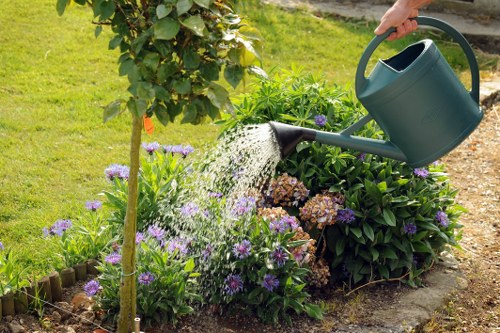
Routine hedge maintenance is the simplest way to keep growth within bounds and stop a small job turning into a heavier reduction later on. We can maintain a hedge to a chosen shape or line, trim seasonal growth, and keep the external profile more consistent through the year. For many gardens, the value lies in balance: enough cutting to keep the hedge tidy, but not so much that the plant is repeatedly stressed or left uneven.
Different hedge species respond differently to cutting, so the method matters. Evergreen hedges often need more frequent light trimming to hold a clean finish, while deciduous hedges may benefit from a more selective approach depending on season and growth habit. Where a hedge has become wide or top-heavy, a sensible maintenance plan can make future visits easier and reduce the need for more disruptive work. To see how we present broader garden support, visit our garden maintenance page.
What a tidy maintenance visit can cover
A maintenance visit can include topping, side trimming, shaping of vertical faces and removal of scattered stray shoots that disrupt the outline. Where needed, we can also work to preserve more light around adjacent planting, paths or windows by refining the line rather than just taking the hedge down flat. In a practical sense, that means the hedge looks deliberate rather than merely shortened. This approach works especially well when you want the border to stay neat without losing its role as screening.
Shaping, Reduction and Controlled Cutting

Some hedges need more than routine tidying. If a hedge has outgrown its space, lost symmetry or started to shade out nearby planting, a controlled reduction can restore a more workable size. We handle reductions cautiously so the hedge still reads as healthy and purposeful after the cut. The exact method depends on species, current form and how much can sensibly be taken back in one visit, because over-reducing can leave a hedge thin or patchy.
Shaping is also important where a hedge is part of the garden’s design rather than just a boundary. Clean lines, level tops and consistent face angles can make a garden feel sharper and easier to maintain. If the hedge has a decorative role, we can aim for symmetry and a more refined outline rather than simply cutting to a fixed measurement. For projects where the wider garden needs more than hedge work, our landscape gardening page gives a useful starting point.
Before any reduction, it helps to think about the hedge’s purpose. Some hedges are grown for screening, some for formal structure and some to support wildlife as well as privacy. The right finish will depend on which of those matters most. We work to the shape you want while keeping the plant’s condition in mind, and we will flag any situation where a softer or staged reduction would be more appropriate than a more severe cut.
Boundary Hedges, Front Gardens and Access Paths
Boundary hedges often define how the whole property reads from the street or from the rear garden, so even modest trimming can make a noticeable difference. Where hedges sit beside walkways, drive access or narrow side passages, the work also needs to be done with awareness of edges and clearances. A hedge that leans over a path or narrows a passage can be inconvenient as well as untidy, so trimming has both visual and practical value.
Front-garden hedges are often best kept slightly more formal because they frame the house and shape the first impression of the property. By contrast, larger rear-garden hedges may need a more functional cut that balances privacy, light and available growing space. If the hedge borders decking or a seating area, trimming can also help keep the area feeling open. Where timber features are part of the garden layout, our decking services information may be useful alongside hedge work.
If the hedge is near fencing or mixed planting, it is worth planning the job around what sits underneath and beside it. Some hedges shed more material than others, and thicker growth can conceal low branches or older woody sections that need a little more attention. That is why accurate details at the start matter: they help shape the right plan, avoid unnecessary cutting and make the quotation process clearer. Please tell us what needs trimming and we can take it from there.
Hedges Combined with Garden Clearance
Hedge trimming is often most effective when it is paired with clearance of the cut material and any surrounding garden waste. A hedge that has not been maintained for a while may produce a substantial amount of clippings, and these need to be gathered, contained and removed sensibly so the area is left usable afterwards. For households dealing with a broader tidy-up, the hedge work can sit neatly alongside other garden clearing tasks.
Where the hedge forms part of a neglected corner, the work may also involve opening up access before trimming begins. That can include dealing with long grass, light overgrowth or loose debris around the base, so the hedge can be reached properly and cut in a clean line. In those cases, our garden clearance page is a sensible companion, because clearance and trimming are often most efficient when planned together rather than separately.
Useful quotation details include the hedge’s approximate height, whether both sides are accessible, and whether waste removal should be included. If you are unsure what the hedge actually needs, a simple description is still enough to start a conversation. The aim is not to overcomplicate the request, but to make sure the estimate matches the work properly. Clear information up front usually leads to a more relevant quote and a smoother visit.
Hedge Work in Mixed Garden Upkeep
Many customers want hedge trimming as part of broader garden upkeep rather than as a standalone visit. That can include neatening lines before a seasonal refresh, preparing for visitors, or bringing a tired garden back to a more orderly state. We can keep the hedge work focused while still allowing room for linked tasks such as general tidying, surface edging and light vegetation control. The result is usually more coherent than treating each task in isolation.
Where lawn edges and hedge lines meet, a more consistent finish can make the whole garden feel settled. A hedge that is cut to a sensible proportion and paired with a level lawn or clean verge often creates the impression of a better-planned space. For customers who want the rest of the garden maintained as well, our lawn mowing page explains one of the most common companion services. It can be particularly helpful when grass growth and hedge growth need attention at the same time.
Some gardens benefit from a light seasonal approach, while others need a more assertive cut because growth has been left too long. We can discuss the finish you want, whether that means simply removing the soft outer growth or achieving a stronger redefinition of the hedge face. The key is to match the cut to the plant and the setting, not to force the same treatment on every boundary. That keeps the hedge looking intentional rather than overhandled.
What to Tell Us for a Quotation

For a quotation, the most useful details are the hedge location, estimated size, the type of finish you want and whether the clippings should be taken away. If the hedge has awkward access, sits above a slope or includes particularly tall sections, mentioning that early makes it easier to understand the scope. A short message is fine, but a little precision helps us avoid underestimating the time or equipment required for the job.
You do not need to prepare a long brief. A few practical facts are usually enough: whether it is one hedge or several, whether one or both sides can be reached, and whether the work is a maintenance trim or a larger cut-back. If you are unsure about the right wording, just describe what looks wrong at the moment. We can then suggest the most suitable hedge-trimming approach and explain the likely next step. For the quotation page itself, see pricing and quotes.
The final step is simple: send the details, tell us what result you want and ask for a quotation. If you prefer to review more of the wider business information first, the about us page and contact us page are available from the site menu, but a straightforward enquiry is often all that is needed to begin. Please request a quotation when you are ready and we will help you move the hedge work forward.
About Abbey Wood
Abbey Wood is a district in south-east London most closely associated with the Royal Borough of Greenwich, while also sitting near the boundary with neighbouring Bexley. Its name comes from Lesnes Abbey, the remains of a 14th-century monastery founded in 1178 by Richard de Luci and dissolved in the 16th century. The abbey’s woodland setting still gives the area a distinctive historic reference point, and Lesnes Abbey Woods remains one of the best-known open spaces nearby. The landscape combines wooded paths, elevated views and traces of the site’s medieval past, which makes the area feel more varied than a simple suburban street pattern might suggest.
Further Garden Support
Alongside hedge trimming, some gardens need broader maintenance to keep the overall layout in good order. That may involve clearing back mixed planting, dealing with uneven growth or making sure shaped areas remain readable after a cut. The right mix depends on the garden itself, because a formal front boundary, a large rear screen and a smaller ornamental hedge all call for different treatment. We aim to keep the hedge work appropriate to the setting rather than forcing one standard finish onto every property.
If your hedge is part of a larger planting scheme, it can be useful to think about how the trimmed shape will sit next to the rest of the garden through the season. Some hedges frame beds, some define zones and some simply provide privacy, so the desired result may be neatness, openness or enclosure. Where tree work is involved nearby, our tree lopping and removal page may also be relevant, especially if overhanging branches are affecting the light or line of the hedge.
When gardens need a more complete refresh, hedge trimming can be one stage in a wider sequence rather than the only task. We can keep the service focused on the boundary while still fitting it into the overall condition of the space. If you are planning changes to the garden as a whole, it may help to review the broader landscaping information too. The best outcome usually comes from matching the hedge work to the way the rest of the garden is used, seen and maintained.
Choosing the Right Hedge Finish
The right hedge finish depends on more than appearance alone. Some customers want a crisp, formal line with a clearly defined top and sides, while others prefer a softer natural profile that still looks cared for. We can work to either style, provided the hedge species and current condition support it. A sensible cut considers thickness, season, access and the hedge’s role in the garden, rather than chasing the same finish everywhere.
There are also practical choices around timing and follow-up. A hedge that is kept in shape regularly may only need small corrections, while a hedge left to run for longer may need a more careful staged approach before it returns to a manageable form. Where a property needs a tidier, lower-maintenance outcome, the conversation can include how often the hedge is likely to need attention. That is often more helpful than thinking only about one visit. For general site information and useful policies, our insurance and safety page is available.
Our approach is to make the hedge look balanced, not over-cut. That means removing what is necessary, preserving a clean outline and avoiding unnecessary disturbance to the plant. A well-finished hedge should look as though it belongs in the garden, not as though it has been forced into shape. If you are ready to move ahead, the final step is simply to request a quotation and share the hedge details that matter most.
Keeping the Work Straightforward
Good hedge trimming is usually easiest when the instructions are straightforward and the desired finish is clear. That said, clarity does not require a long explanation. A quick note about the hedge’s length, height, access and expected finish is normally enough to build an accurate picture of the work. Where there are multiple hedges, it can help to separate them by position so the request reflects what actually needs doing rather than grouping everything together vaguely.
It can also help to mention if the hedge forms part of a driveway edge, a shared boundary or a more ornamental section of the garden. These details do not change the service into something else, but they do influence how the work is planned and finished. If you want to keep the garden looking orderly beyond the hedge itself, our services overview gives a quick way to compare the available options before asking for a quotation.
When you are ready, send the hedge details and ask for a quote. That final step keeps the process simple and lets us respond to the actual work needed, rather than guessing. A well-described hedge job is easier to plan, easier to price and easier to complete neatly. If you want a trimmed, shaped and better-controlled hedge in Abbey Wood, we are ready to help with the next step.